
45-Year Fight Against Flooding Leads to South Holland's $5.8 Million Thorn Ditch Project
In 1992, South Holland resident Rose Marie DeWitt had flooding on her mind. It was a familiar concern in a community that had already been dealing with flooding for years.
Her home in the village's Pacesetter neighborhood had been damaged by flooding in November 1990. She was also serving as a member of South Holland's flood-control liaison committee as the village considered what to do next.
But DeWitt's memory of the problem stretched back even further.
“A lot of this stuff should have been started in 1981,” DeWitt told the Chicago Tribune at the time, referring to flooding caused by heavy rains that year.
By 1992, South Holland had formed a flood-control committee and commissioned a $230,000 study of flooding with neighboring Dolton.
Flood-control work continued in the decades that followed. South Holland developed programs to help homeowners make flood-protection improvements. Even in 1992, the village was providing flood information through an open house, a cable television show and its newsletter, while establishing a flood warning system and response plan. Larger regional projects such as the Deep Tunnel system would expand protection further.
But the flooding issue, as history would show, remained a problem.
Forty-five years after the flooding DeWitt pointed to, South Holland has completed a major new project aimed at reducing flood risk, the latest chapter in a flood-control effort that has stretched across generations.
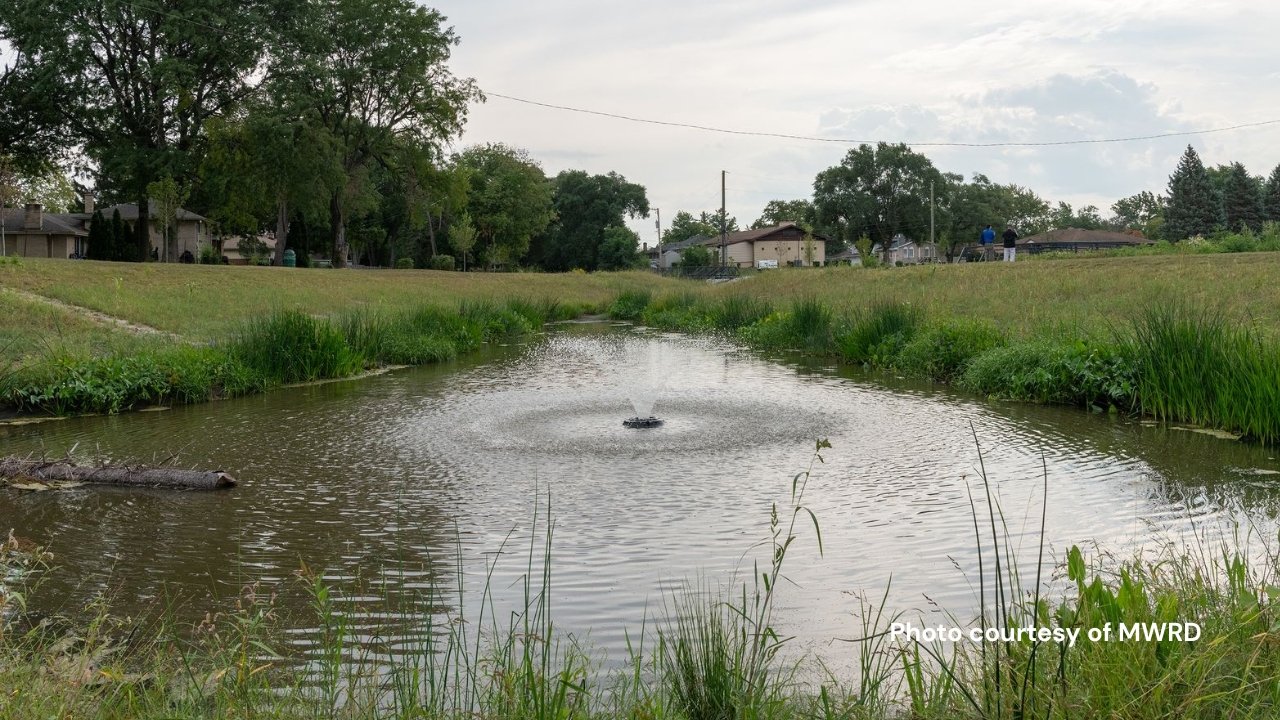
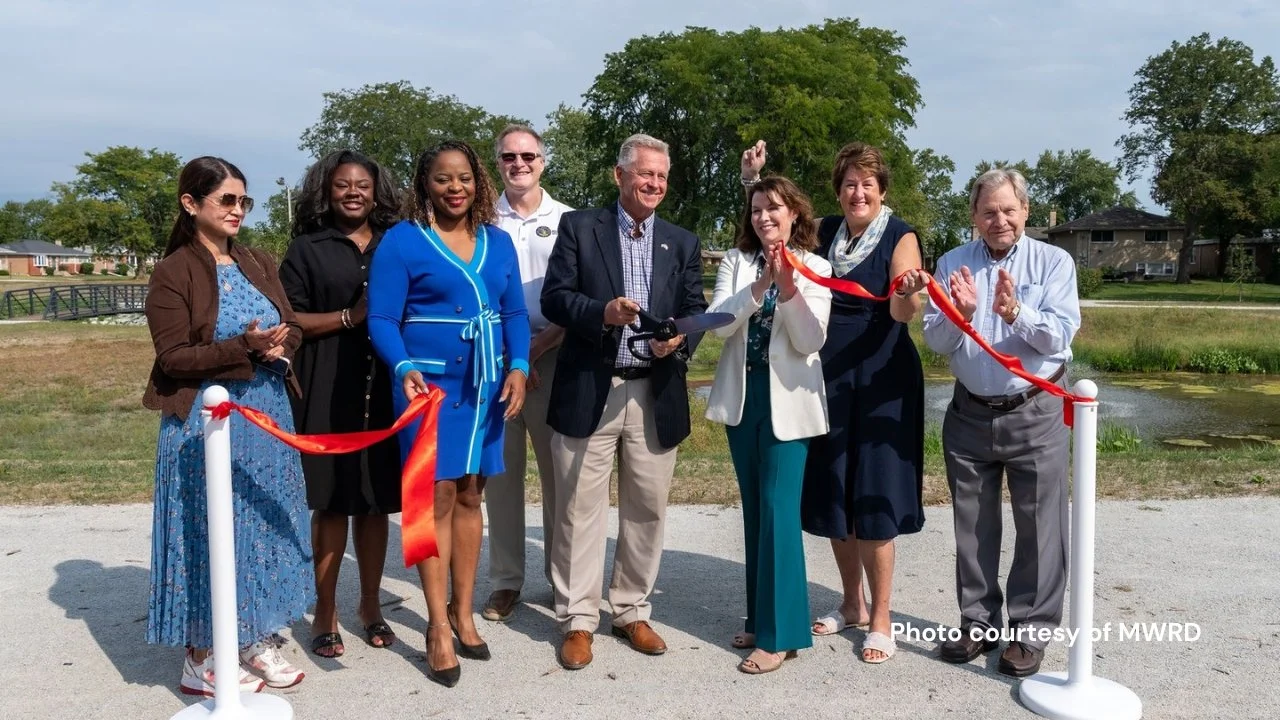
The village and the Metropolitan Water Reclamation District of Greater Chicago (MWRD) recently marked completion of the first phase of a $5.8 million flood-control project along Thorn Ditch.
The recently completed first phase replaced culverts at Kenwood, Kimbark and Woodlawn avenues and added more than 3.8 million gallons of stormwater storage at Maicach and Pioneer parks.
It is a major step in addressing a problem that did not end with those efforts from the early 1990s.
In September 2023, South Holland officials said around six inches of rain fell in just two hours. Streets flooded, roads were temporarily closed and some residents experienced basement flooding.
South Holland Mayor Don De Graff said at the time that the regional Deep Tunnel system helped prevent overbank flooding by diverting nearly 1 billion gallons of rainwater.
But local flooding remained.
The Thorn Ditch project is designed to improve stormwater storage and drainage while reducing the risk of flooding for nearby homes and businesses. The project received $1.5 million in American Rescue Plan Act funding through an agreement between Cook County and MWRD.
One Major Piece Remains
The work along Thorn Ditch isn't finished.
A second and final phase would replace the longest remaining culvert along the ditch, between Dobson and Greenwood avenues.
Patrick Thomas, a senior public affairs specialist with MWRD, told the Southland Development Authority (SDA) that the district included the second phase in an application for Federal Emergency Management Agency Hazard Mitigation Grant funding made available following presidentially declared disasters from flooding in July and September 2023.
“The application is currently under review,” Thomas said. “We are hopeful that once the FEMA funding is approved, we will be able to move the project toward construction.”
MWRD currently estimates the second phase will cost $3.37 million.
Back in 1992, DeWitt was still thinking about what had happened in 1981.
Much has changed since then.
South Holland now has millions of gallons of new stormwater storage along Thorn Ditch, three replaced culverts and a $5.8 million first phase in place.
One major culvert remains.
And 45 years after the flooding DeWitt pointed to, the community's effort to keep water away from homes continues.
About the Southland Development Authority
The Southland Development Authority, a not-for-profit economic development organization, is committed to driving equitable and sustainable economic growth in the South Suburbs of Chicago. Through innovative programs, strategic partnerships, and impactful direct investments, the SDA is building a vibrant, inclusive economy that drives wealth growth for individuals, businesses, and municipalities. Combined with the benefits of the South Suburban Land Bank and the Monarch Fund, the SDA serves as a model for regional development.
