
Billions in Infrastructure Spending Opens New Doors for 90-Year-Old Dixon-Based Engineering Firm
Across Illinois, bridges are getting older.
The state’s roughly 27,000 bridges average about 46 years in age, according to the latest federal bridge inventory data, and approximately 2,500 are already rated in poor condition.
In the Chicago area, the aging infrastructure is even more apparent. The average bridge on the National Highway System was built in 1971, making it roughly 55 years old today.
Maintaining this infrastructure requires sustained commitment to engineering, inspection, rehabilitation and strategic investment.
In September alone, construction began on the Illinois 2 bridge over the Rock River in Grand Detour. Maintenance is underway on the Clark Bridge over the Mississippi River ahead of an inspection, and repairs are set to begin on the U.S. 6 bridge over the DuPage River.
These projects represent individual pieces of a much larger infrastructure investment across Illinois.
The state’s current six-year infrastructure program calls for $50.6 billion in investment across the transportation system, including $32.5 billion for state and local roads and bridges.
Behind those numbers are thousands of individual engineering challenges. Challenges that range anywhere from inspecting structures and evaluating deterioration to determining the most effective approach for rehabilitation, maintenance or replacement.
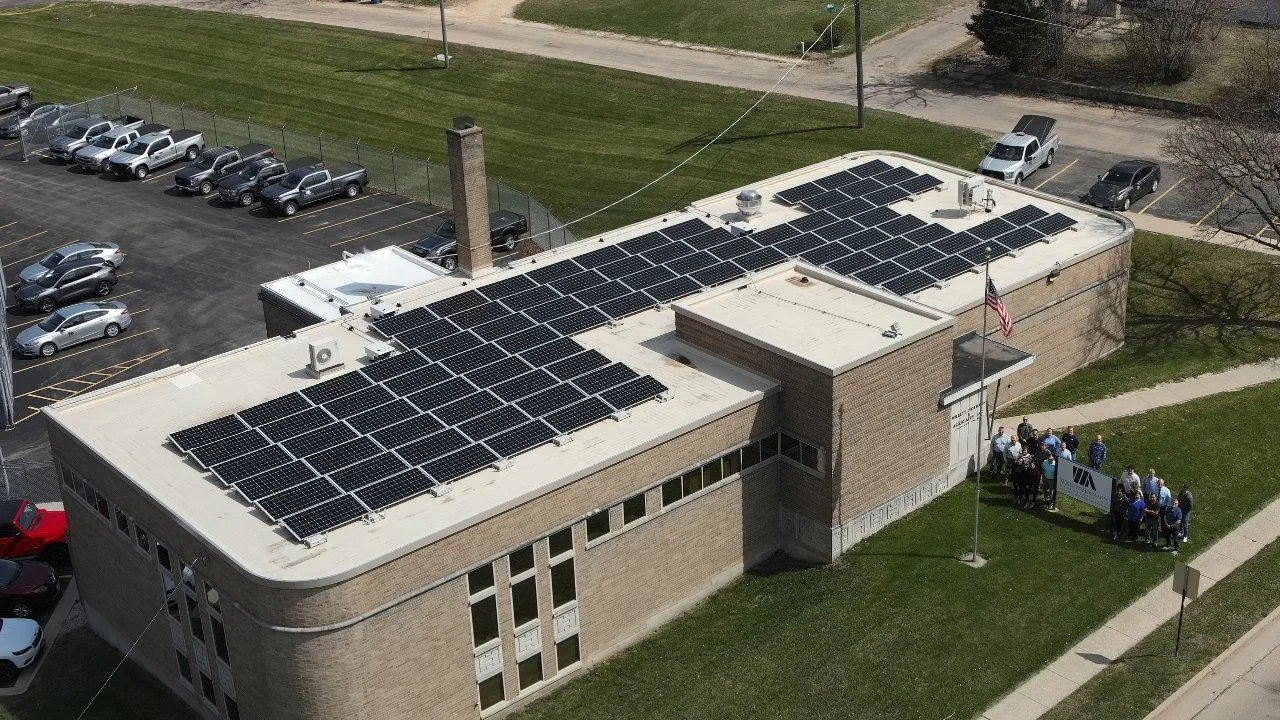
At Willett, Hofmann & Associates (WHA), that work is familiar.
The Illinois engineering firm has been helping communities solve infrastructure challenges since 1935.
“Bridge design and bridge inspection are core areas of expertise for us,” said WHA Business Development Manager Melissa Islam.
After more than 90 years in business, WHA is building upon that experience by expanding its presence in the federal marketplace.
The Illinois APEX Accelerator at the Southland Development Authority (SDA) is helping the firm strengthen that effort and navigate the federal procurement process.
Expanding Established Expertise into Federal Contracting
WHA provides a broad range of professional services across civil infrastructure, including transportation engineering, bridge design and inspection, architecture, land surveying and site design.
The firm already possesses the technical expertise and project experience needed to support complex public infrastructure. Its federal business development initiative is focused on positioning those capabilities for agencies seeking experienced engineering partners.
When Islam joined WHA in April, the company had already developed a capability statement and participated in government contracting events. Since then, WHA has continued strengthening its federal strategy by researching agency needs, refining its positioning and identifying opportunities that align with the firm’s established capabilities.
“Federal contracting has its own processes and requirements, so having a knowledgeable resource who can help navigate those details is extremely valuable,” Islam said.
The Southland Development Authority’s (SDA) Illinois APEX advisor Chris Cooks has worked with WHA to review its federal registrations and profiles, refine its capability statement, evaluate its NAICS codes and conduct targeted market research.
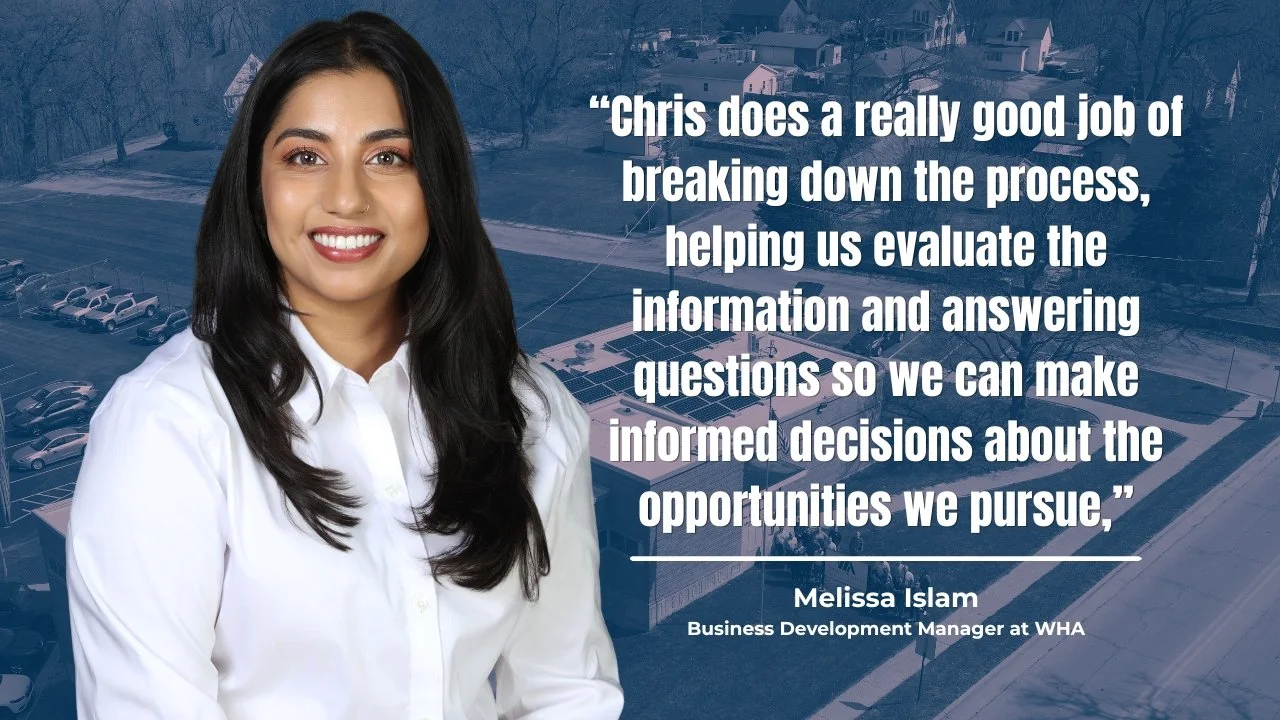
“He does a really good job of breaking down the process, helping us evaluate the information and answering questions so we can make informed decisions about the opportunities we pursue,” Islam said.
That preparation soon aligned with an opportunity directly related to WHA’s expertise.
The U.S. Army Corps of Engineers issued a Sources Sought notice involving bridge inspection, bridge design and maintenance.
“This aligns directly with our core expertise,” Islam said.
Sources Sought notices allow federal agencies to identify businesses with the experience and capabilities necessary to perform work before a contract is formally solicited.
With support from Cooks, WHA prepared a response highlighting the firm’s personnel, technical capabilities and relevant project experience.
It marked an important step in WHA’s deliberate expansion into the federal marketplace.
The firm’s strategy extends beyond a single opportunity. WHA plans to continue identifying federal opportunities aligned with its core services, developing relationships with federal contracting officials and building partnerships with prime contractors seeking specialized engineering expertise.
“The immediate goal is to continue building awareness of WHA’s capabilities and developing relationships with agencies and industry partners,” Islam said. “We want to be strategic about pursuing opportunities where our experience can bring real value.”
Ultimately, WHA’s objective is to establish federal contracting as another sustainable market for the firm’s engineering services.
“Success means building lasting relationships in the federal marketplace and securing contracts where our team can put its experience to work,” Islam said.
For a company founded in 1935, the federal marketplace represents an opportunity to bring generations of infrastructure experience to a broader range of public projects.
WHA already has decades of experience inspecting bridges, designing infrastructure and helping communities maintain the systems they depend on.
Now, with support from Illinois APEX, the firm is positioning those capabilities to serve federal agencies, and their infrastructure needs as well.
And with aging infrastructure continuing to require significant investment across Illinois and throughout the country, that expertise is increasingly relevant.
About the Southland Development Authority
The Southland Development Authority, a not-for-profit economic development organization, is committed to driving equitable and sustainable economic growth in the South Suburbs of Chicago. Through innovative programs, strategic partnerships and impactful direct investments, the SDA is building a vibrant, inclusive economy that drives wealth growth for individuals, businesses and municipalities. Combined with the benefits of the South Suburban Land Bank and the Monarch Fund, the SDA serves as a model for regional development.
