
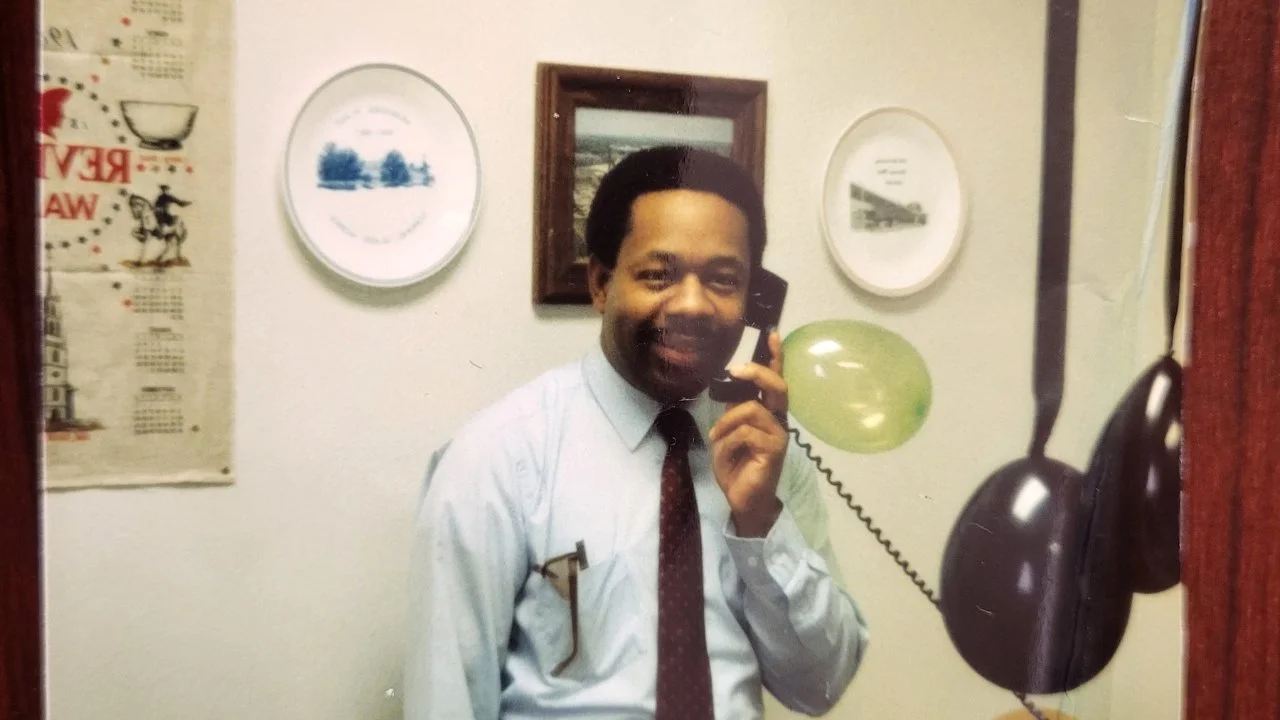
Elester Williams takes a phone call in an archival photograph from his professional career. Williams eventually became a human resources director overseeing HR operations across five manufacturing facilities.
When ACHIEVE Summit presenter, Elester Williams told his high school guidance counselor he planned to attend college, the response wasn't what he expected.
Instead, the counselor suggested he find a construction job, buy a used car and enjoy himself.
Williams was stunned.
Growing up in segregated Texas, he had attended an all-Black school until integration brought him into a larger, predominantly white environment. Now, as he prepared to graduate, someone whose job was to encourage students was questioning why he wanted to pursue higher education.
"It was just like somebody kicked me in my gut," Williams recalled. “This guy, I think he's gonna give me some encouragement. And yet he totally discouraged me from even going to school.”
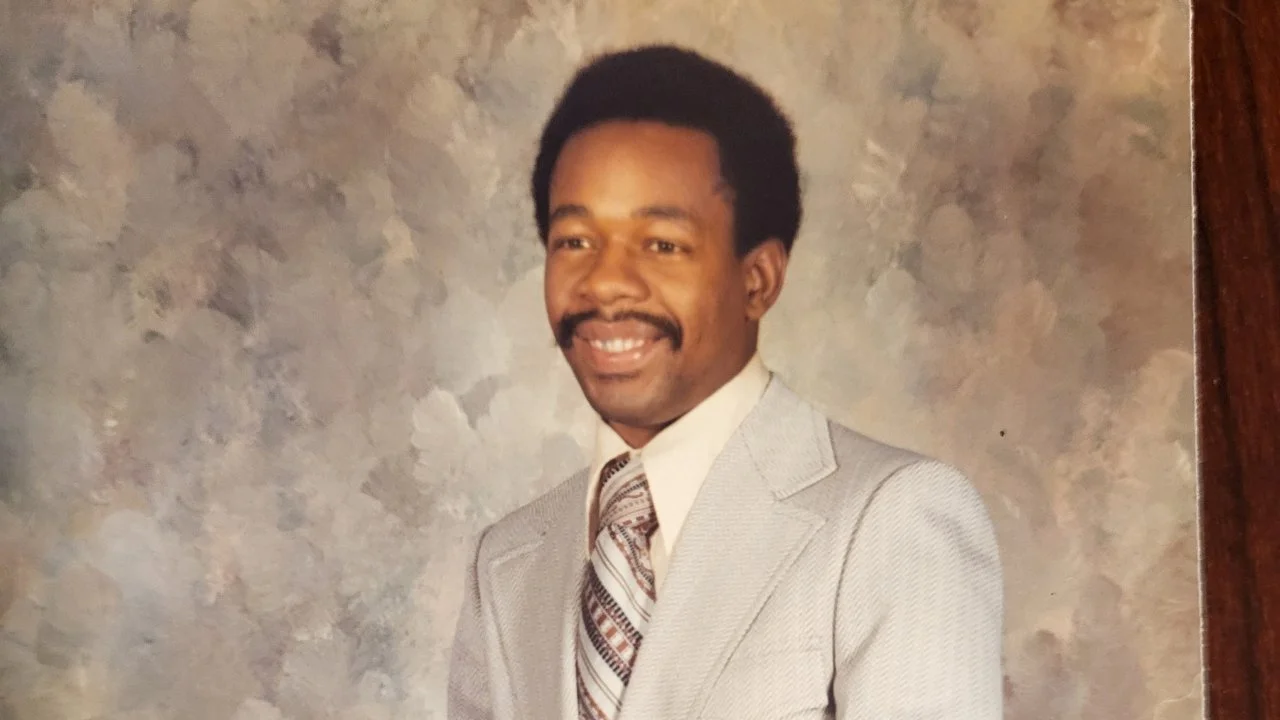
Williams poses for a portrait earlier in his career. A graduate of Prairie View A&M University, he overcame numerous obstacles while pursuing opportunities in corporate America.
He went to college anyway, graduating from Prairie View A&M University with plans to build a professional career.
But the obstacles didn't end with graduation.
Breaking Into Corporate America
Williams remembers interviewing repeatedly for positions related to his degree. Many Black graduates he knew struggled to find professional employment, sometimes accepting factory jobs unrelated to their education.
When Williams finally landed an engineering position in Oklahoma, he entered a department with only one other Black professional.
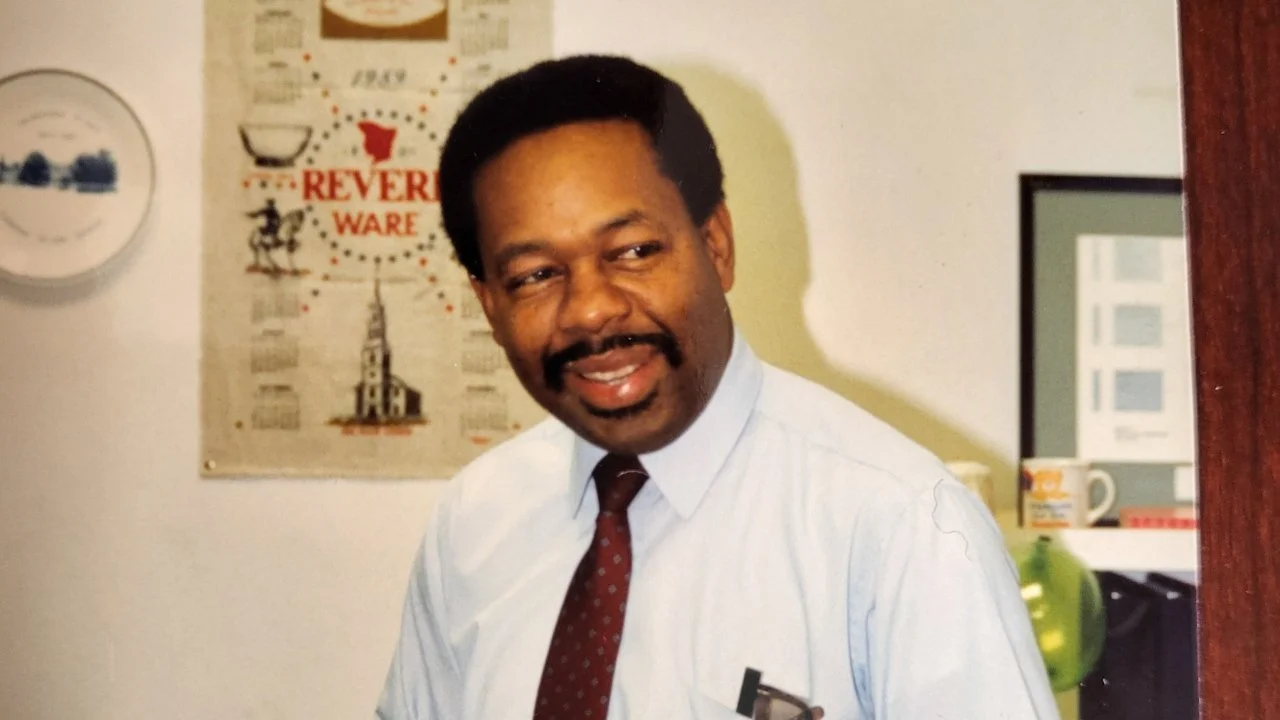
Williams pictured during his corporate career. He began in engineering before advancing into human resources leadership.
The political climate was unmistakable. During a presidential election, Williams remembered colleagues openly expressing support for George Wallace, the Alabama governor known for his defense of segregation.
Williams continued working, determined to prove himself.
After several years, however, he noticed something troubling. Colleagues were receiving promotions while he remained in the same position, despite positive feedback about his performance.
A mentor encouraged him to approach human resources.
"I thought you were happy here," the HR manager told him.
Williams explained that he was happy with his work, but wanted the same opportunities for advancement as his colleagues.
The manager never directly answered his question about what he needed to do to earn a promotion.
Still, the conversation became a turning point.
Williams began accepting additional responsibilities, including a demanding assignment supervising manufacturing employees on rotating shifts.
His career eventually advanced from engineering into human resources leadership. Before retiring, he served as an HR director with responsibility extending across five manufacturing facilities, including his own.
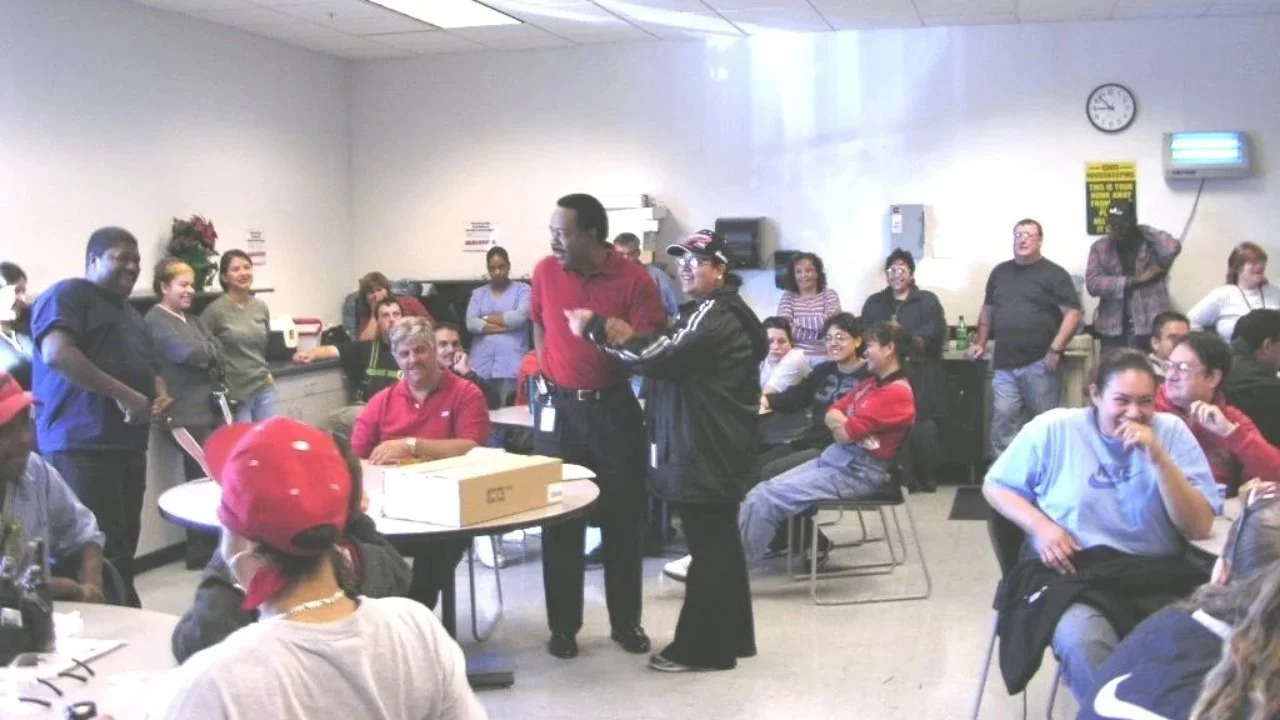
Williams stands among colleagues during a workplace gathering. Throughout his career, he emphasized the importance of mentorship, networking and building relationships with coworkers.
A Book Nearly Left Unfinished
After retirement, Williams wanted to share what he'd learned with younger professionals.
He approached several colleges about offering seminars to help graduating students understand the unwritten rules of corporate America: networking, mentorship, professional relationships and the skills needed for advancement.
When those efforts failed to gain traction, he decided to write a book instead.
But another obstacle emerged.
A fellow author told him how difficult it was to sell books, describing thousands of dollars invested with little return. Discouraged, Williams put his manuscript aside for years.
Then came an unexpected encounter at a Southland Development Authority (SDA) networking event.

Williams shares a moment in this family photograph. His experiences growing up in segregated Texas helped shape his determination to pursue higher education and a professional career.
Williams struck up a conversation with another attendee who happened to be a publisher. After hearing why Williams had abandoned the project, the man encouraged him to finish it.
"If you've got a story to tell, you owe it to yourself to tell the story," Williams recalled being told.
That conversation gave Williams the motivation to complete and publish his book.
He later reconnected with SDA staff for help exploring ways to reach readers.
For Williams, the book isn't primarily about making money. It's about helping people entering the workforce, or struggling to advance within it, learn from the obstacles he spent decades overcoming.
His central message is simple. Careers rarely advance automatically. And setbacks don't have to determine how the story ends. Sometimes the guidance counselor guides down - and it’s up to you to keep guiding up. Just like Williams.

Williams prepares to tee off during a round of golf. His collection of personal photographs offers a glimpse into life beyond his professional accomplishments.
You can check out Williams’ book on Amazon, linked here.
About the Southland Development Authority
The Southland Development Authority, a not-for-profit economic development organization, is committed to driving equitable and sustainable economic growth in the South Suburbs of Chicago. Through innovative programs, strategic partnerships and impactful direct investments, the SDA is building a vibrant, inclusive economy that drives wealth growth for individuals, businesses and municipalities. Combined with the benefits of the South Suburban Land Bank and the Monarch Fund, the SDA serves as a model for regional development.
